





The History of the School
The educational benefactor Julia Salis Schwabe (1819–1896) proposed the establishment of a teacher training college with a Demonstration School in England based on the teaching principles of Friedrich Froebel. At the end of the nineteenth century, his principles were considered radical because emphasis was placed on the learning experiences of the very young, seen by Froebel’s followers as the key to social progress and to the health of society.
Mrs Salis Schwabe appointed Claude Montefiore (1858–1938) Secretary of the inaugural Froebel Society, and as joint benefactors they met any financial deficits. The College and School were finally opened in Colet Gardens, Kensington by the Empress Frederick (Daughter of Queen Victoria and wife of the Crown Prince of Prussia) some six months after the first child had entered the kindergarten. The first headmistress was Esther Lawrence, and there were six pupils.
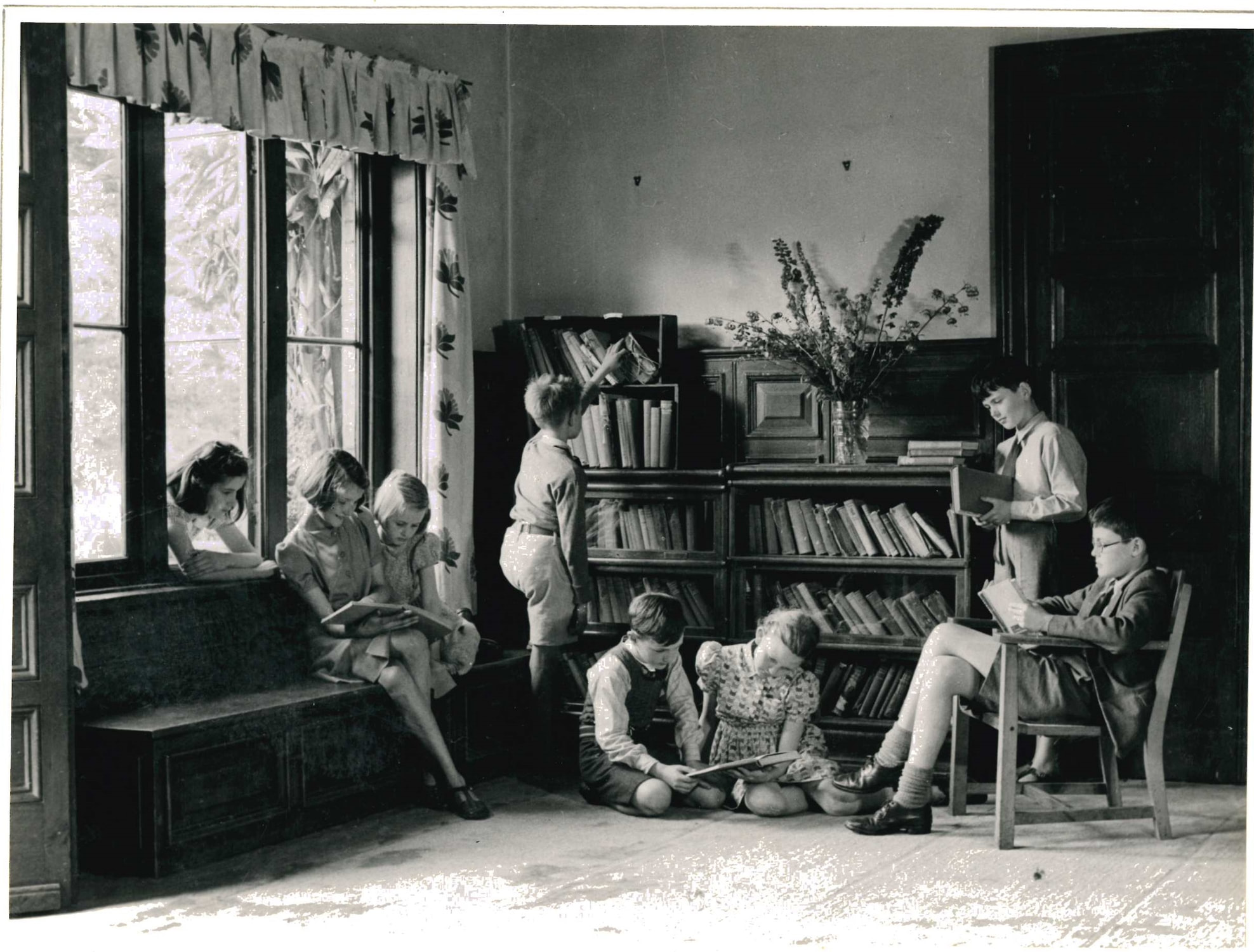
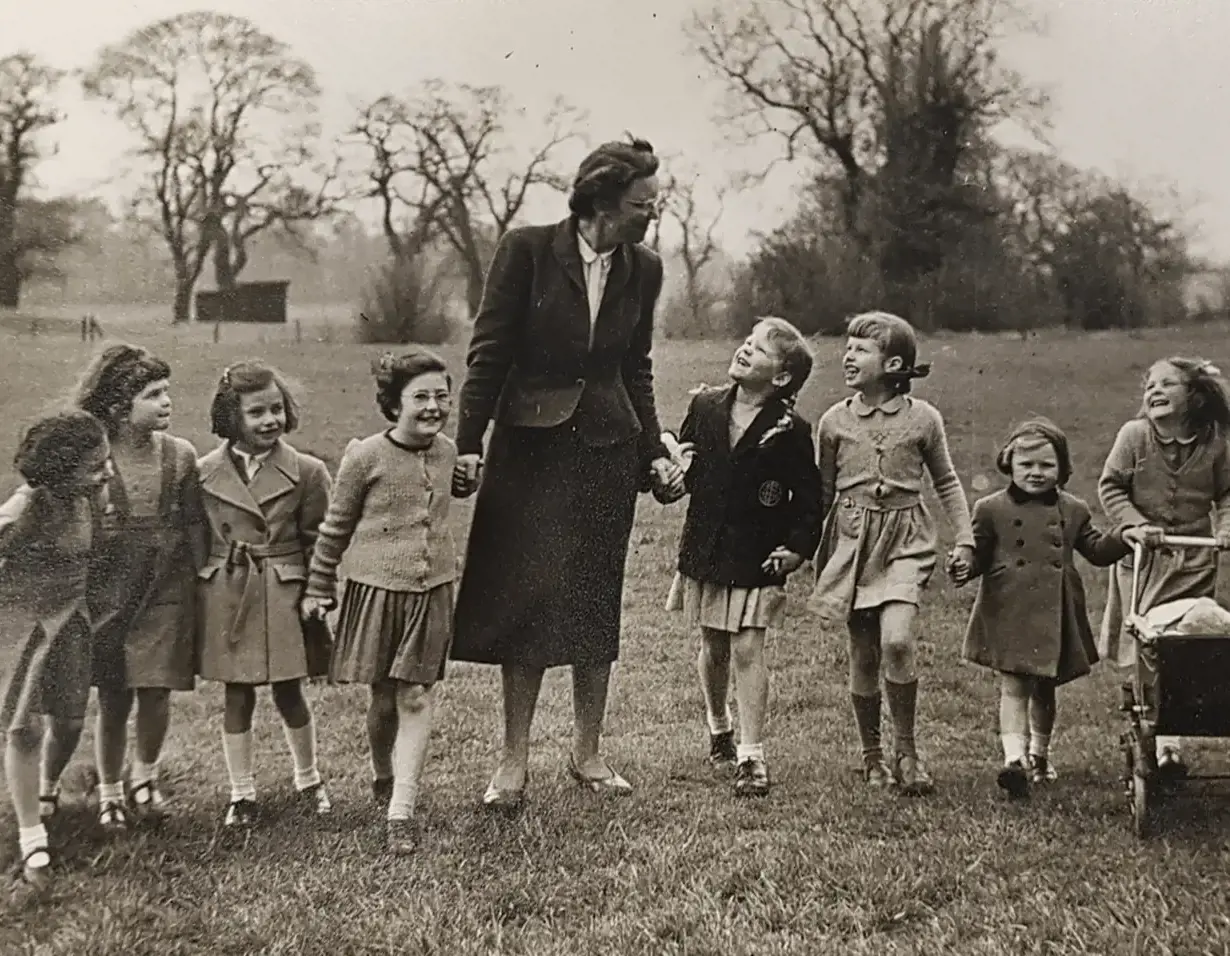
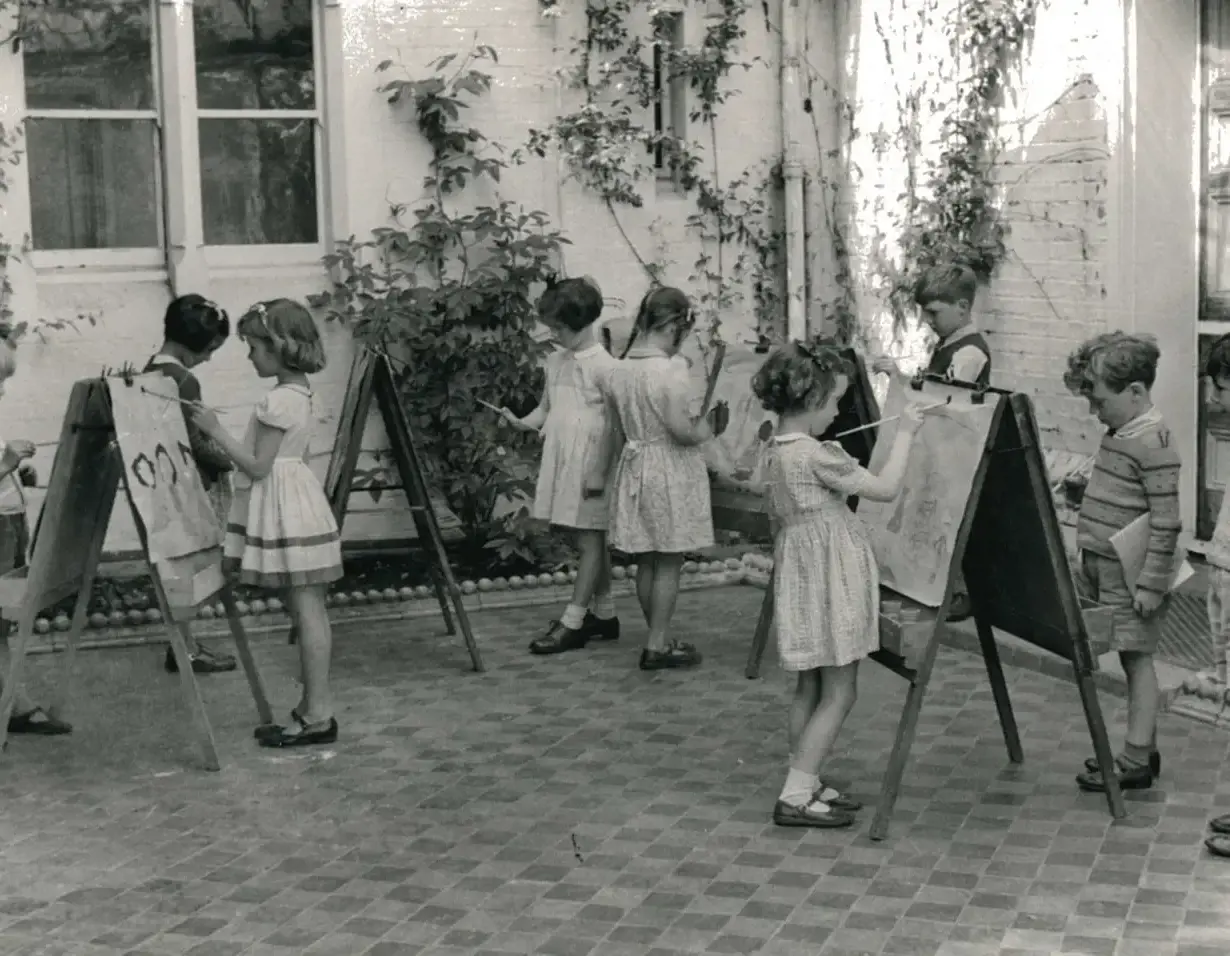
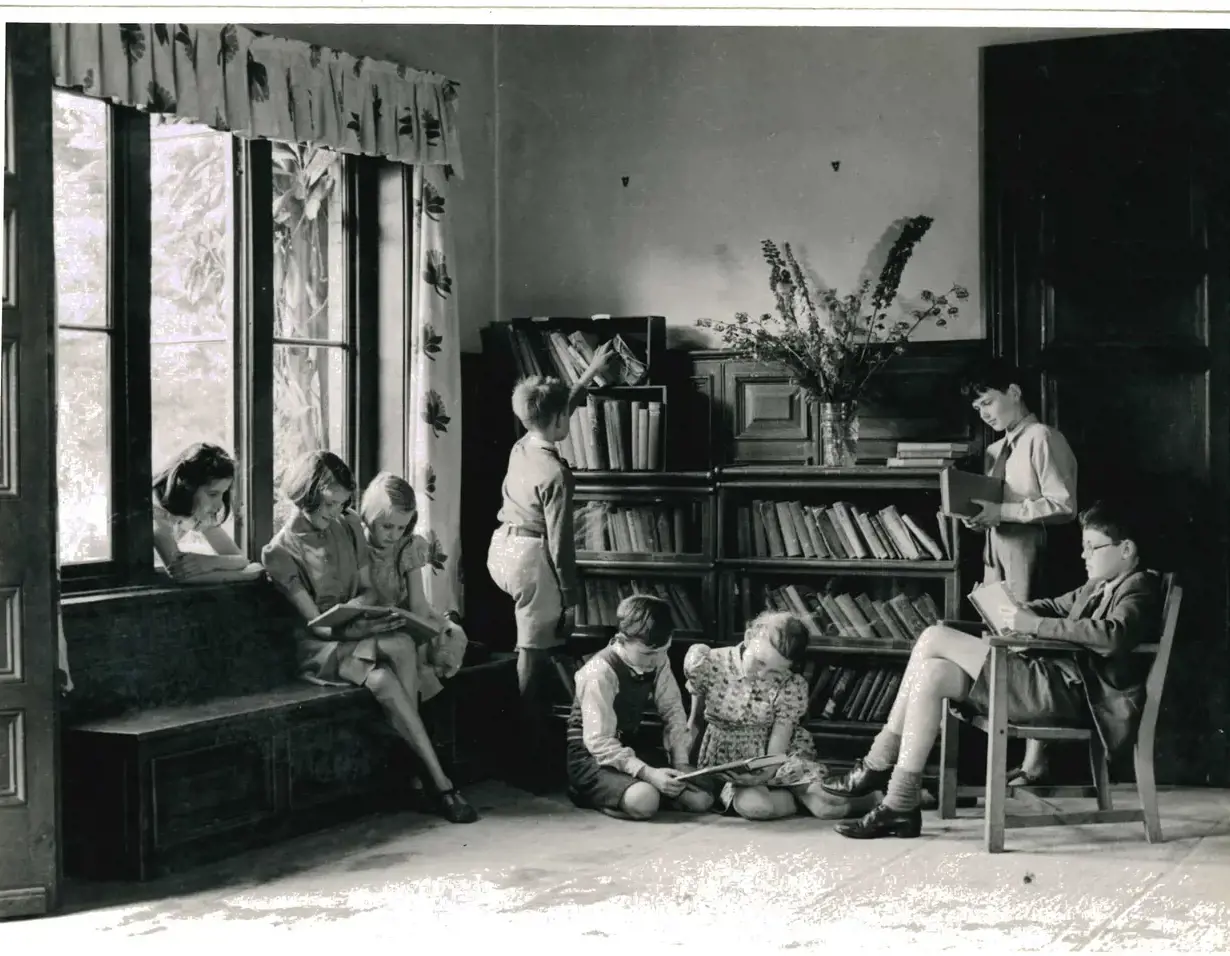
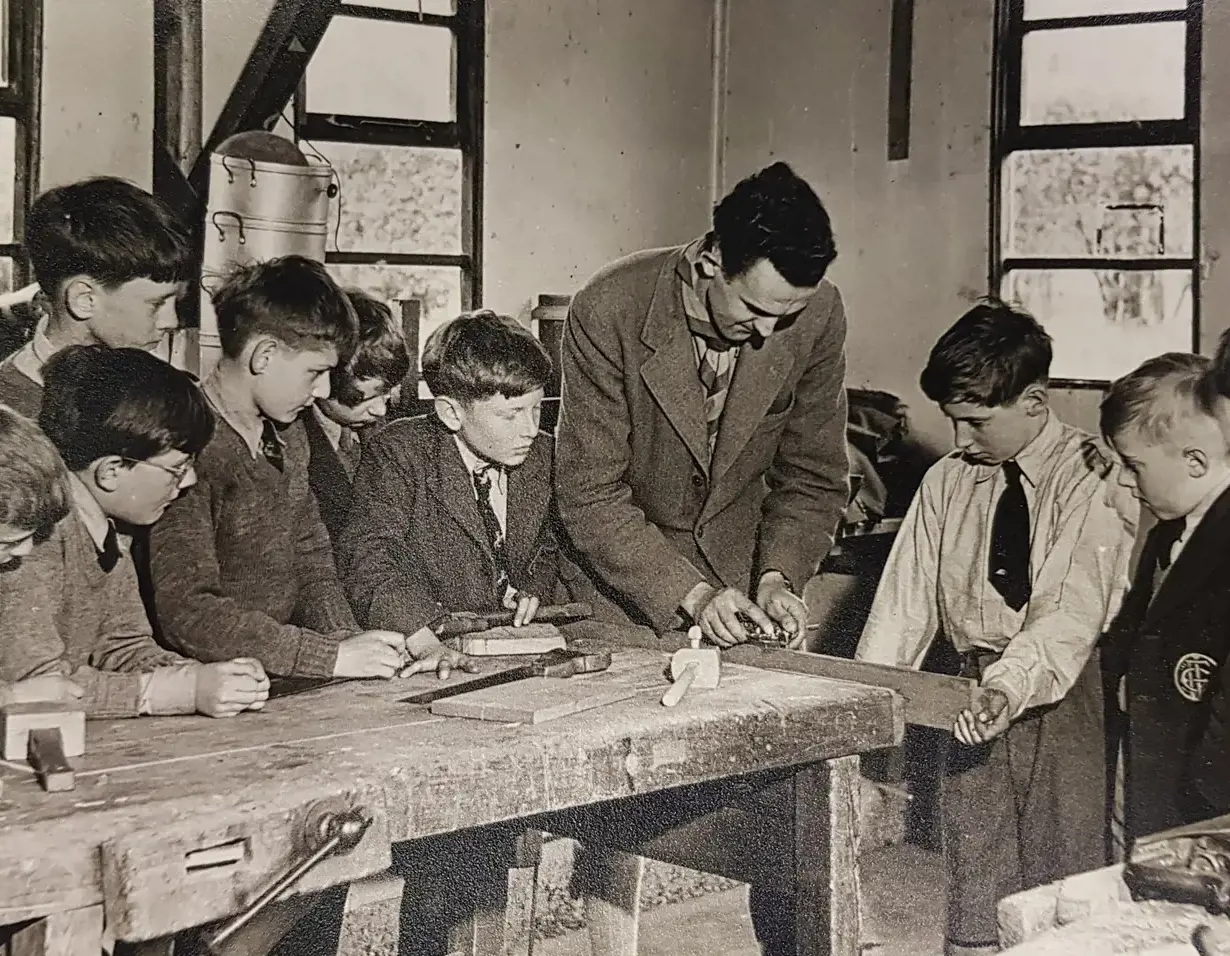
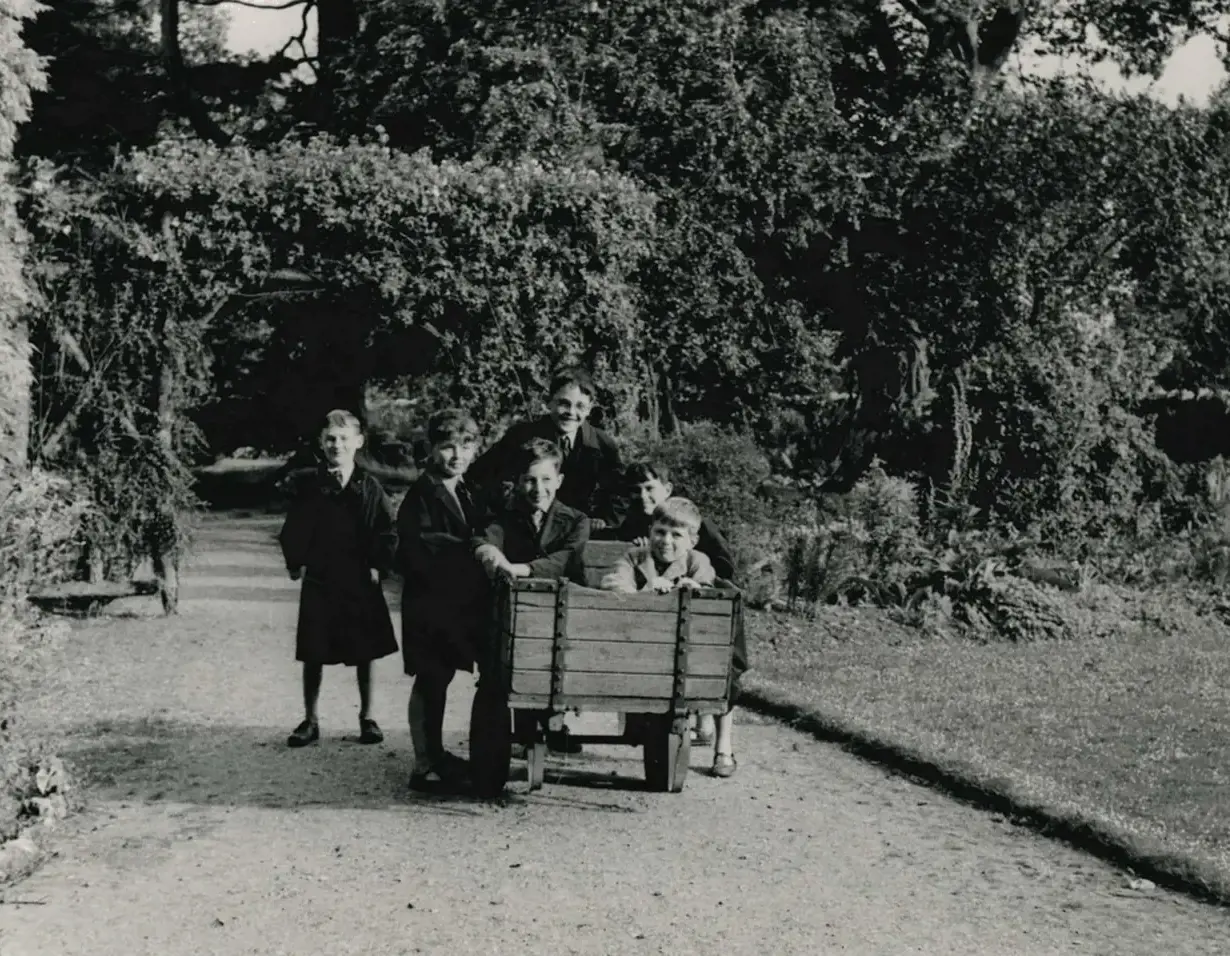
At the outbreak of World War II the School was evacuated from London to Dennison House of Little Gaddesden, Hertfordshire, led by Miss Barbara Priestman as Headmistress of what was, by necessity, a boarding school. Some years earlier, in 1922, the Froebel Education College had moved to Grove House, Roehampton and its headquarters, renamed the Incorporated Froebel Educational Institute (IFEI), were established at Templeton on Priory Lane.
In 1945, the Institute purchased Ibstock Place House in Clarence Lane, Roehampton for the Demonstration School, renaming it Ibstock Place, the Froebel School. On the establishment of the University of London Institute of Education, IFEI became one of the constituent colleges. Eglantyne Mary Jebb retired as the College Principal in 1955 and was succeeded by Molly Brearley who oversaw the requirement in 1960 that all teachers take a three-year training course.
In September 1976 the age range was extended to sixteen years and pupil numbers grew steadily so by 1989 there was a School roll of 370 pupils. The School Centenary was commemorated in July 1994 at Prize Giving at Templeton when the guest speaker Professor David Bellamy asked the prize winning pupils to get down on their hands and knees in order to examine the Templeton pond-life!
In 2005, a Sixth Form was established and the age range extended to 18 years. By 2011 the School roll numbered 930 pupils aged from 3 to 18 years.
Ibstock Place School is now independent of the College but retains a link through the IFEI and the Froebel Council, the members of which are trustees of the School. The Governing Body of Ibstock Place School takes responsibility for the management of the School and the Chairman of the Governors and the Head report to the Froebel Council.
Headmistresses and Headmasters
Miss Esther Lawrence (1894 - 1898)
Miss Boys-Smith and Miss Hope-Wallace (1898 - 1899)
Grace Lucknow (1899 - 1900)
Miss Annie Yelland (1900 - 1916)
Miss Wigg (1916 - 1918)
Miss Ethel Bain (1918 - 1933)
Miss Barbara Priestman (1933 - 1958)
Miss Sheila Macleod (1958 - 1974)
Mr Clifford Green (1974 - 1981)
Mr Aidan Warlow (1980 - 1984)
Mrs Franciska Bayliss (1984 - 2000)
Mrs Anna Sylvester-Johnson (2000 - )
The Buildings and Grounds of Ibstock Place School
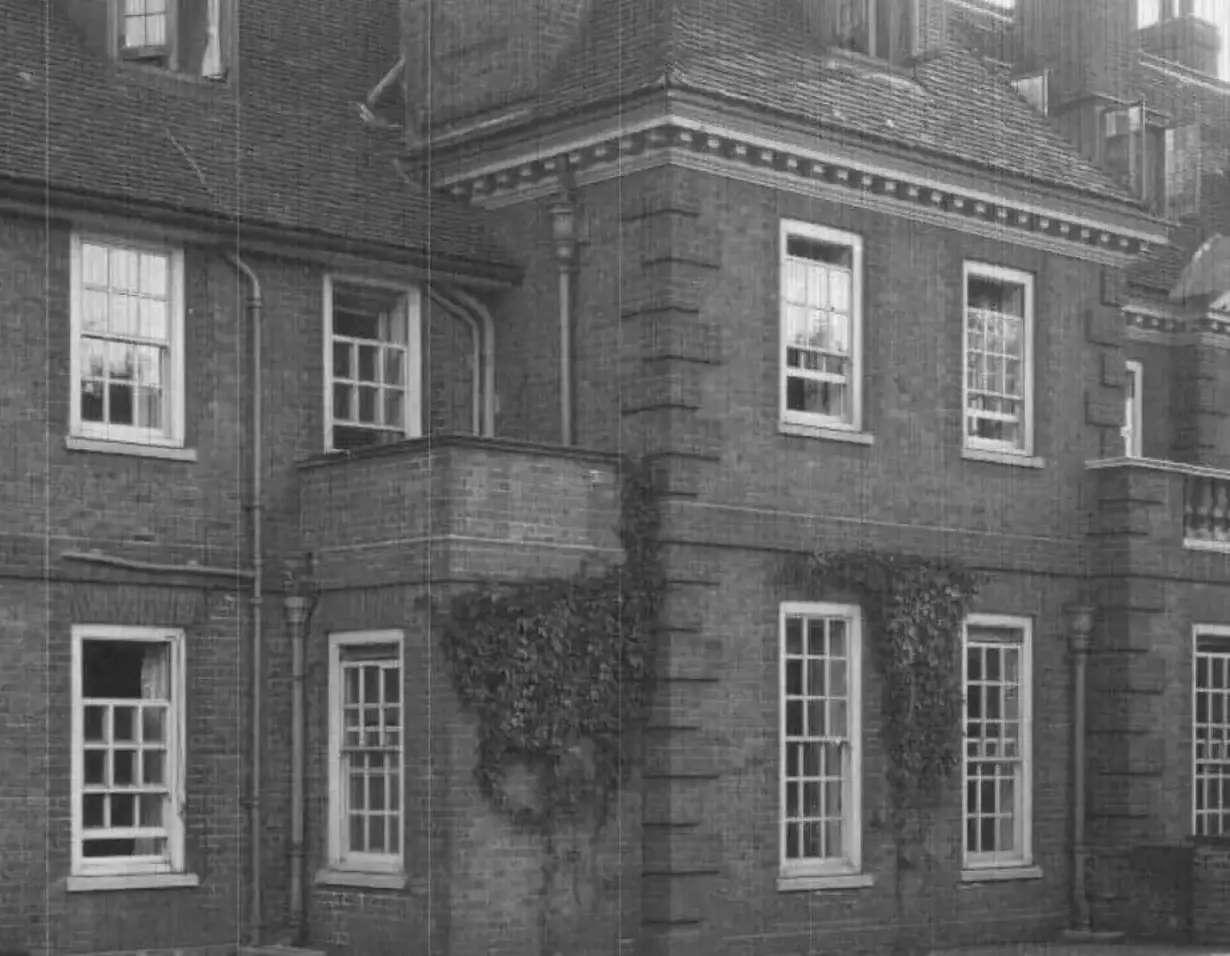
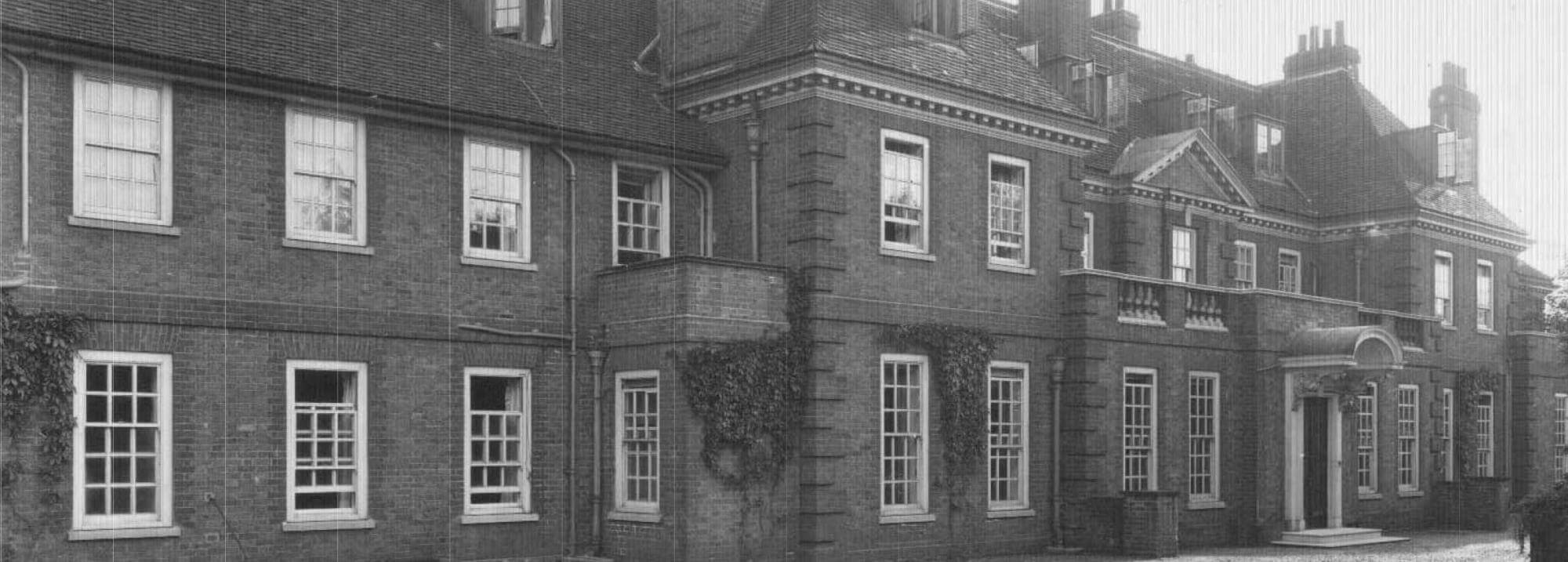
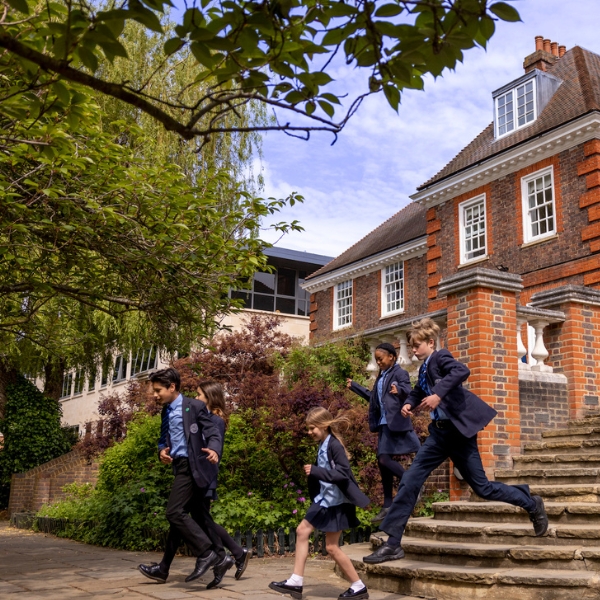
‘Main House’ was built in 1913 by the architect Frank Chesterton with sixteen bedrooms and four reception rooms. Originally named St. Serf’s, the house was owned by the Duchess of Sutherland until 1920.
Archive photographs from Country Life reveal the magnificent decoration of the house which, along with beautiful gardens, provided ‘an abundance of enjoyment’.

In 1925, Major John Paget purchased the house, renaming it Ibstock Place after the Leicestershire village which was his ancestral home. The house was luxuriously furnished with
antiques including a Louis XVI suite of Aubusson tapestries and two grand pianos. Major Paget was interested in ‘modern gadgets’ and installed a sun-bed parlour and a telephone exchange. An outdoor swimming pool was built at the end of the formal garden. It was one of the first private swimming pools in Britain;
although without the benefit of modern chlorine, the pool quickly became algaed and full of frogs. The house was run with the help of a staff of thirteen in the staff wing, as well as a night watchman and a gardener who lived in the Lodge on the corner of Clarence and Priory Lanes.
The Pagets entertained lavishly and Major Paget’s party trick was to tell the fortunes of his guests; his daughter Winifred recounts in the early 1930s how he read the palm of the guest, Mrs Wallis Simpson, prophesying that she would be ‘Queen of England in all but name.’ Aged nineteen, Winifred was presented to Queen Mary after her debutante year in which she held her own ball at Ibstock Place. Later her wedding reception took place in the house and photographs of the wedding party appeared in the Court Circular of The Times.

Post-war developments
After the outbreak of World War II the Paget family evacuated to Oxfordshire, and in 1942 the house was requisitioned by the Ministry of Supply for a military radar development group (AORG).
In August 1945 the Pagets sold the house to the Froebel Educational Institute to rehouse the evacuated Demonstration School. The house was in disarray, but the air raid shelters and huts, in the grounds and on the terrace, were soon converted into a dining room and classrooms with a Scouts group using one disused air raid shelter.
In 1946, Grove House Nursery was founded in an old pavilion on the existing Froebel College estate. It closed in 1960 but not before a great many trainee teachers had enjoyed their teaching practice there.
Ibstock Place School’s building plan focused on providing classrooms for the pupils who boarded in Main House. Between 1951 and 1954 the eponymous ‘Long Corridor’ classrooms were built in 2 sections: 1951, costing £9,414, and 1954, costing £8,181. Mrs Leonard G Montefiore opened the Corridor classrooms in 1955 and in 1964 the half size Gymnasium, costing £12,427, was built adjacent to the classrooms. A Dining Room was added to the Service Wing in 1968, the children having originally used the disused army hut on the garden terrace as a refectory.
From 1978-1991 the School Library had been in makeshift accommodation, so the move into a mezzanine conversion of the original ballroom of the house by Barnsley, Hewitt and Mallinson Architects was much welcomed. Its original premises became the Art Room, until 1996 when these were demolished. Art moved to the demountables at the end of the Orchard, which had temporarily housed the Nursery after a fire had destroyed the Kindergarten, Barbara Priestman House, in 1984. The rebuilt kindergarten was opened in 1986, and a subsequent building in 1997. Priestman House 2, designed by Simpson Grey, allowed for two form entry through the Kindergarten and Prep School. Roberts Hall, a performance space, was integral to the design and opened by Miss Sheila Roberts.
During 1988, Macleod House, the Prep School, was partially housed in a new demountable opened by Miss Sheila Macleod; the remaining classes were held in the Lodge and the four large classrooms in Main House. The original open-air swimming pool was enclosed during this year and, restored and refurbished many times since, it remains in the same place today.
The Froebel Science and Technology Building, designed to offer a Design and Technology workshop and two Science laboratories, was opened by HRH Princess Alexandra in October 1992. Godolphin and Latymer School supplied an unwanted demountable for English, Geography and History which was positioned at the end of the Playing Fields and named the Lawrence Building. Subsequently, with the help of the PTA, the Pavilion was converted to house the Mathematics Department. In order to ensure the safe passage of pupils over Clarence Lane a footbridge was built, financed by IFEI. The Grove House disused greenhouses were demolished to make way for an all-weather sports court adjacent to the Pavilion.
Developments since 2000
In September 2000, the School roll stood at 613 and the much needed Dining Room extension, using the architects Simpson Grey, was completed and renamed The Conservatory. A two storied building fitted neatly on to the footprint of the Macleod House demountable and in 2003, for the first time, the Prep school children were taught in the same building. The new Macleod House, the Prep School, also designed by Simpson Grey, was officially opened by Mr Tony Salem, Chairman of Governors who thanked IFEI for its contribution to the cost of the building.
Barnsley Hewitt and Mallinson were appointed in 2005 as architects for the ten-year School Development Plan which was to include a Sports Hall, New School and a Performing Arts Centre. The first stage of the project was successfully completed in 2008 with a full size Sports Hall and Spectator Gallery on the Lawrence House site. The Sports Hall was opened with much fanfare by Mr Michael Gibbins, Chairman of Governors, who thanked the parents who had given so generously to the Appeal and to the PTA for its generation donation towards the Spectator Gallery.
With a Sports Hall in place, the old gymnasium and Long Corridor could be demolished to make way for the construction of New School and the refurbishment of the Technology Centre, now to be connected seamlessly to New School. During the Autumn Term 2010, the New School Science Laboratories and the facilities for Modern Languages were functioning and in February 2011, the English, Humanities, and Mathematics faculties were ready for occupation by the Senior School pupils. The Library, with its specially commissioned shelving, was opened by the Chairman of Governors on 22 November 2011 who thanked the School’s benefactors.
The Performing Arts Centre is now in its planning stage.